

Research Impact
PUBLIC HEALTH IMPACT
The Milken Institute School of Public Health at the George Washington University is advancing research that shapes healthier communities and informs policies in Washington, DC, and around the world. From more healthy babies and mothers to decreasing pollution in vulnerable communities, from research highlighting how lifestyle changes impact diabetes to how policy impacts the way we access healthcare, our faculty and students are producing work that leads to real-world impact. Through close collaboration with government agencies, nonprofits, and community partners, we turn evidence into action that makes a healthier world.

Warehousing Industry Increases Health-Harming Pollutants
Department of Environmental and Occupational Health
This first-of-its-kind national study shows that America's growing warehousing industry, which fuels exploding online shopping consumer habits, is making air pollution worse for nearby communities—especially communities of color—putting them at greater risk for asthma and other serious health problems. Learn how a team of researchers led by Gaige Kerr is using satellite data to reveal the hidden cost of e-commerce on public health.

Systems That Promote Nutrition Security and Climate Adaptation in Puerto Rico
Research by the Diet Disparities Lab and colleagues, under the direction of Associate Professor Uriyoán Colón-Ramos, brought together voices from multiple sectors in Puerto Rico to map the underlying drivers of nutrition security and their interconnections. The systems map show how participating stakeholders think that climate, governance, local farming, and food culture have interacted to shape access to and demand for nutritious food in the archipelago. Stakeholders who participated in the study also highlighted key levers in the system to strengthen nutrition security and resilience in the face of extreme weather events. Learn more about the Puerto Rican food paradox.

How El Salvador Strengthened Their Primary Care System
How did El Salvador strengthen primary care when so many efforts failed? This study by our Global Health researchers, led by Wolfgang Munar, found success came from peer learning and frontline connections—not just incentives. Read the case study.
New National Tracker Reveals Stark Gaps in Rural Medicaid Primary Care Workforce
Fitzhugh Mullan Institute for Health Workforce Equity
A new national data tool reveals deep gaps in access to primary care for people on Medicaid in rural communities, just as states begin planning how to spend a historic $50 billion federal investment in rural health. Developed by the Mullan Institute for Health Workforce Equity at the George Washington University and published in The Milbank Quarterly, the U.S. Medicaid Primary Care Workforce Tracker shows that rural counties consistently have far fewer Medicaid primary care providers than urban areas, with many lacking key services like OB-GYN care. By offering the first publicly available, county-level view of where Medicaid providers are (and aren’t) the tracker gives states a powerful evidence base to target workforce investments where they can most improve access, equity, and long-term sustainability.

New Report: ACA Tax Credit Expiration Will Lead to Job Loss
Department of Health Policy and Management
A new report from GW and The Commonwealth Fund warns that letting the Affordable Care Act (ACA) tax credits expire could have serious economic consequences. The analysis, Expiring ACA Premium Tax Credits Could Lead to Nearly 340,000 Jobs Lost Across the U.S. in 2026, finds that state economies could shrink by $40.7 billion, jobs would be lost, and state and local tax revenues would decline by $2.5 billion. “Not only will health insurance costs soar for millions if the tax credits are not sustained, there will be severe economic consequences and more than 300,000 Americans could lose their jobs,” said lead author Leighton Ku. The report highlights the urgent need for policymakers to act to protect both health coverage and the economy. Read more.

Nearly One in Five Urinary Tract Infections Linked to Contaminated Meat
Antibiotic Resistance Action Center
A new study led by Lance B. Price estimates that nearly one in five urinary tract infections in Southern California may be caused by E. coli transmitted through contaminated meat. The findings reveal a largely overlooked foodborne pathway for one of the most common infections worldwide. This research also revealed that people living in low-income neighborhoods face the highest risk, with women and older adults especially affected. UTIs are not just a personal health issue, but a food safety and health equity concern; understanding these risks is the first step in addressing them. Read more at GW Today.

New Analysis: Community Health Centers Face Financial Crisis Amid Policy Shifts
Geiger Gibson Program in Community Health
A new report from the George Washington University’s Geiger Gibson Program in Community Health, warns of a looming crisis among the nation’s community health centers - the backbone of the primary care safety net. Community health centers serve one in ten Americans, across rural areas and underserved urban neighborhoods. These nonprofits not only deliver high-quality primary care but save the federal government money by reducing ER visits and hospitalizations. Critical federal grant funding for CHCs expires soon but renewal is stalled in Congress, putting many centers at risk of closures or service reductions as early as this month. Read more.
Climate Actions Offer Immediate, Local Benefits Such as Job Creation
Department of Environmental and Occupational Health
The new FLIP report shows how local climate actions can deliver immediate benefits for communities, from job creation to cleaner air. By applying the FLIP framework—Free, Local, Immediate, and Persuasive co-benefits of climate actions—the report identifies strategies that reduce emissions while improving quality of life and providing a net positive return on investment. “When communities act on climate, the benefits aren’t distant or abstract—they show up right away in people’s daily lives,” said lead researcher Susan Anenberg. The report aims to help communities and policymakers see climate action not as a burden, but as an opportunity to create healthier, more prosperous neighborhoods.

Anti-Smoking Chatbots Provide Sound Advice—Most of the Time
Institute for Trustworthy AI in Law and Society
AI chatbots are increasingly being used to help people quit smoking, but new research shows their advice can be hit-or-miss. While many responses followed public health guidelines, some responses included misinformation, revealing gaps that could put users at risk. Professors Lorien Abroms and David Broniatowski are leading efforts to make AI tools more accurate and trustworthy for those trying to quit. See what they found.

Analyzing New OSHA Data Sets Would Help Prevent Injuries/Save Lives
Department of Environmental and Occupational Health
Millions of U.S. workers suffer preventable injuries on the job each year. Newly available OSHA data sets could help employers, workers, and researchers spot patterns and stop injuries before they happen—if we use them. Professor David Michaels is making the case for using public injury data to make workplaces safer. Learn how better data can lead to fewer injuries.

Bringing Cost-Effective Imaging Solutions to Older Adults
Department of Exercise and Nutrition Sciences
This research focuses on addressing significant gaps in research and implementation surrounding evaluation of sarcopenic obesity through the development of more accessible strategies for early screening and diagnosis. Declining physical function is a foundational component of sarcopenic obesity, particularly in older adults. Machine learning-based technology paired with optical scanning will be used to facilitate a more widespread and economic evaluation strategy to improve screening efficiency and earlier intervention. Learn more.
Researchers Advance Brain Science and Work to Educate the Brain Health Workforce
At the GW Institute for Brain Health and Dementia, researchers advance science and partner with the community to advance brain health, and work to educate the brain health workforce. For example, the institute has partnered with both Prince George's County and DC Health to conduct local needs assessments in support of strategic planning efforts.
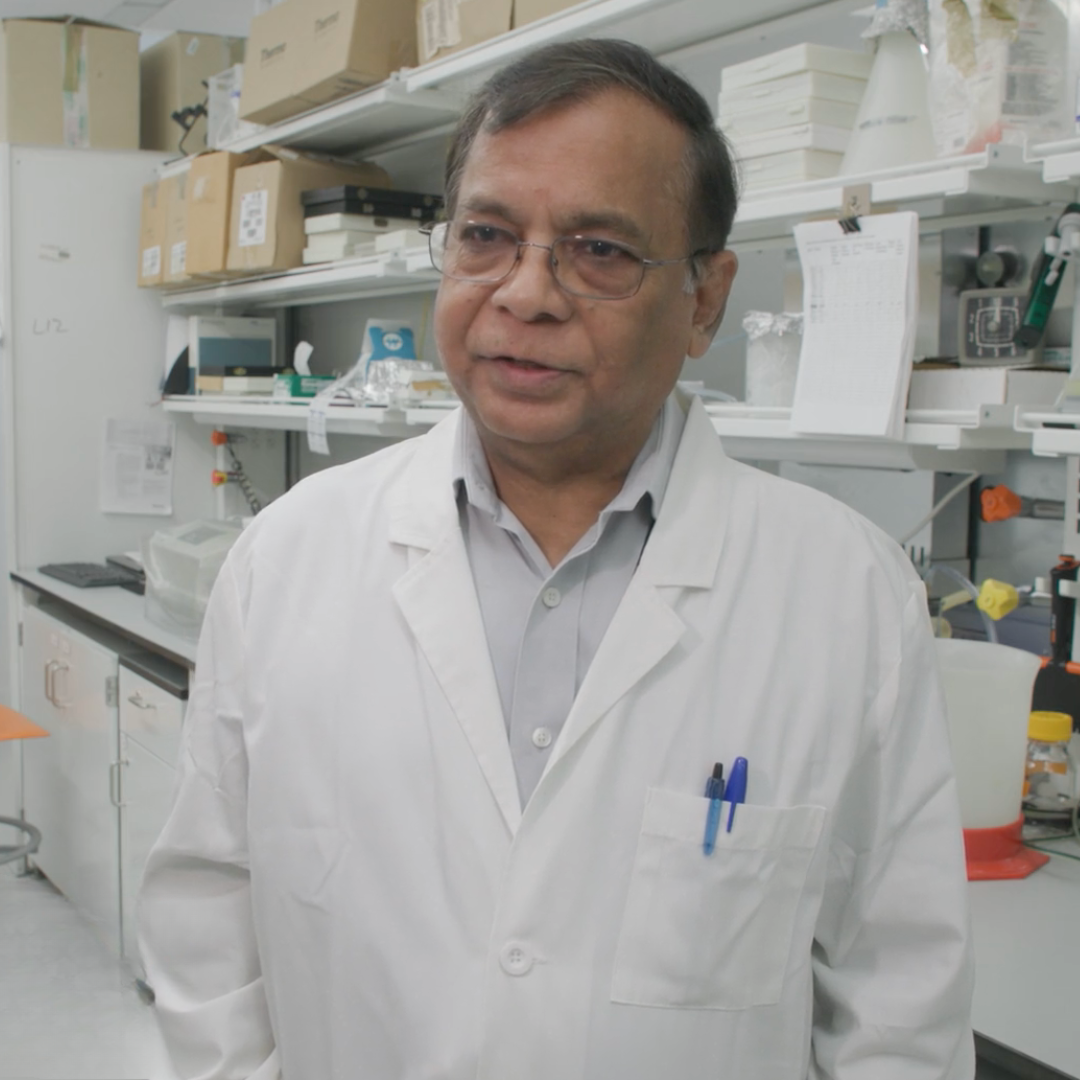
Developing a Vaccine for Malaria
Dr. Nirbhay Kumar is leading the fight to develop a vaccine for malaria, which causes more than a quarter billion infections and over 600,000 deaths a year. This directly impacts many countries around the world, but also US tourists, military and diplomats. Changing weather patterns have even contributed to a few reported malaria cases in the US. Learn how innovative vaccine technology is particularly effective for this complex disease.

Lifestyle Changes and Metformin Cut Diabetes Risk over 21 Years
GW Research shows lifestyle changes are key to reducing chronic disease - A major collaborative research study coordinated by GW’s Biostatistics Center found lifestyle interventions reduced the risk of developing Type 2 diabetes by more than half over 3 years, and a follow-up study 20 years later found the diabetes risk reduction was sustained. See how.

Advancing Health and Opportunity for Adolescent Girls and Women
Department of Prevention and Community Health
There is one moment in a girl's life that is catalytic: adolescence. It's a moment where the doors can open to opportunity, or it's a moment where life can become incredibly dangerous, where there are barriers to her being healthy, flourishing and participating in the workforce. If we can change the way people value girls, we can have a ripple effect that changes their trajectory across their lifespan - see how.
Certain Nasal Bacteria May Boost the Risk for COVID-19 Infection
Department of Environmental and Occupational Health
This study reveals that the bacteria in our noses may help determine who gets COVID-19 by affecting how easily the virus enters our cells, showing that promoting protective nasal bacteria could be an important way to prevent infection. Researcher Cindy Liu is exploring how our natural nasal bacteria could help stop viruses before they make us sick.

Policies Targeting Road Transport Emissions Could Save 1.9 Million Lives Globally by 2040
Department of Environmental and Occupational Health
New research shows that smart global policies to cut vehicle pollution could save 1.9 million lives and prevent 1.4 million childhood asthma cases by 2040. That’s 310 people kept alive and 230 kids spared asthma—every single day for the next 15 years—just by cleaning up our air. Professor Susan Anenberg is showing how bold action on air pollution can save lives around the world. See what’s possible.

Continuous Eligibility for Adults in Medicaid Linked to Higher Access to Mental Health Care
Department of Health Policy and Management
A new study shows that Medicaid's continuous eligibility policy during the COVID-19 emergency significantly improved access to mental health care—especially for Black and Latino adults. Yet many people with serious mental health needs still go without care, even when insured. Professor Leighton Ku and Health Policy PhD student Kristine Namhee Kwon are uncovering how smarter Medicaid policies can help close critical gaps in mental health access. See what the data reveals.

How Front-of-Package Labels Affect Parents' Perceptions of Foods for Their children
Department of Exercise and Nutrition Sciences
New research led by Allison Sylvetsky from the George Washington University Milken Institute School of Public Health shows front-of-package labels can help parents make healthier choices for their children. In a large randomized study, labels for both added sugars and non-sugar sweeteners (NSS) led parents to select unsweetened foods and drinks more often and view them as the healthiest options. Learn more.
Study Reveals Rising Interest in Permanent Contraception After Roe v. Wade Was Overturned
Department of Health Policy and Management
After the Supreme Court overturned Roe v. Wade, young adults in the U.S. sharply increased their use of permanent contraception—driven by fear and uncertainty about their reproductive rights. The biggest spikes were in states likely to ban abortion, showing how policy changes can profoundly shape personal health decisions. Assistant Research Professor Julia Strasser is examining how shifting laws are reshaping reproductive choices across the country. Explore what her research reveals.
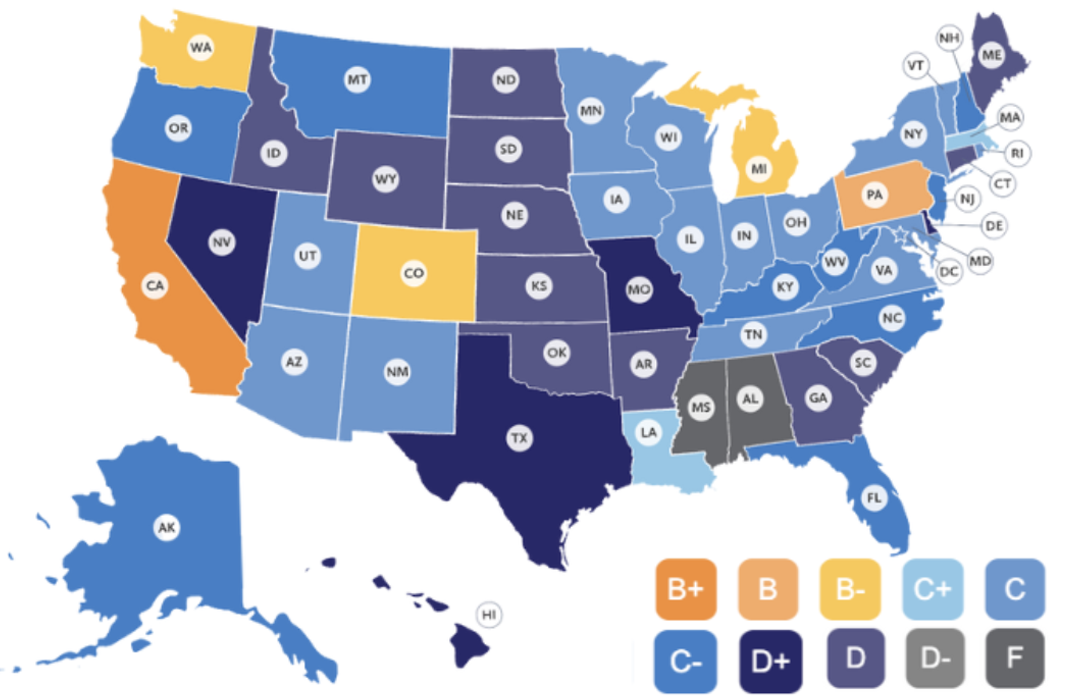
2025 Maternal Mental Health State Report Cards
Department of Health Policy and Management
One in five mothers in the U.S. experiences a maternal mental health condition each year—yet the majority never receive treatment, with lasting consequences for families, children, and communities. A new report shows modest national progress, but 19 states still earned D or F grades. Researcher Caitlin Murphy contributed to the report, which offers policymakers a clear roadmap for improving care and outcomes for mothers and families nationwide. Explore the 2025 State Report Cards.

DC Clinical Trials Unit is leading research in HIV for the DC Region
The NIH-funded DC Clinical Trials Unit, led by Dr. Manya Magnus at the GW Milken Institute School of Public Health, Dr. Marc Siegel at the MFA/GW School of Medicine, and Dr. Sarah Henn at Whitman-Walker Health, conducts cutting-edge HIV prevention, treatment, and cure research. DC CTU clinical trials focus on Washington, DC, an area hard-hit by the HIV epidemic. Through a partnership between GW and Whitman-Walker, the DC CTU seeks to drive progress toward ending the HIV epidemic in DC and beyond.

How the FUN Integration Theory Can Drive Youth Sport Participation
Department of Exercise and Nutrition Sciences
This seminal study by Dr. Amanda Visek and colleagues introduced the first evidence-based "Fun Integration Theory," identifying 81 fun-determinants across 11 dimensions that drive youth sport participation. Its “FUN MAPS” help coaches, parents, and leagues foster fun, reduce attrition, and promote lifelong engagement. Recognizing its impact, the Beyond the Club Podcast and USA Today have spotlighted the findings again and again, making them accessible to sports organizations, administrators, coaches, and parents.
GWSPH Research Day
Every year students across the Milken Institute School of Public Health showcase their research on our annual Research Day. In 2026, we had the largest number of submissions ever - with over 62 Award Categories. Spanning research from well water to AI diagnosis, from food systems to autism, from maternal and childhealth to NCDs, undergrads, Masters candidates and Doctoral students led the way on innovative research design, literature reviews and real world impact. See the full list of projects.

Federal Medicaid and SNAP Cuts Could Result in One Million Jobs Lost and State GDPs Falling by More than $110 Billion in 2026
Department of Health Policy and Management
A new report from the Commonwealth Fund and GW researchers warns that deep federal cuts to Medicaid and SNAP could devastate state economies, costing over 1 million jobs and shrinking GDP by $113 billion in 2026 alone. Led by Professor Leighton Ku, the analysis shows how these essential programs support not just health and nutrition, but economic stability in every corner of the country. See what’s at stake in every state.

Exploring the Belief that Modern Contraceptive Use Causes Infertility
Why do many women in rural Kenya avoid modern birth control, even when they want to plan their families? Our Global Health team found that fears of infertility—fueled by myths, personal stories, and cultural norms—drive hesitation. Understanding these beliefs is the first step toward programs that address community concerns. Learn more.

The Power of Research and Innovation
Department of Exercise and Nutrition Sciences | Department of Global Health
Research can help us identify gaps, like who can access prenatal vitamins, and maternal nutrition. Dr. Smith is increasing access to these important nutrients around the world - see where.